

At Sydney Smile Care, we often see patients who arrive thinking they have “just a mild tooth ache” — only to discover that the real issue is a cracked tooth.
To help patients better understand this common but often overlooked dental problem, we spoke with Dr Peter Luu, a dentist with over 10 years of experience, practising across Sydney and a graduate of Melbourne.
What Is a Cracked Tooth?
Dr Peter Luu:
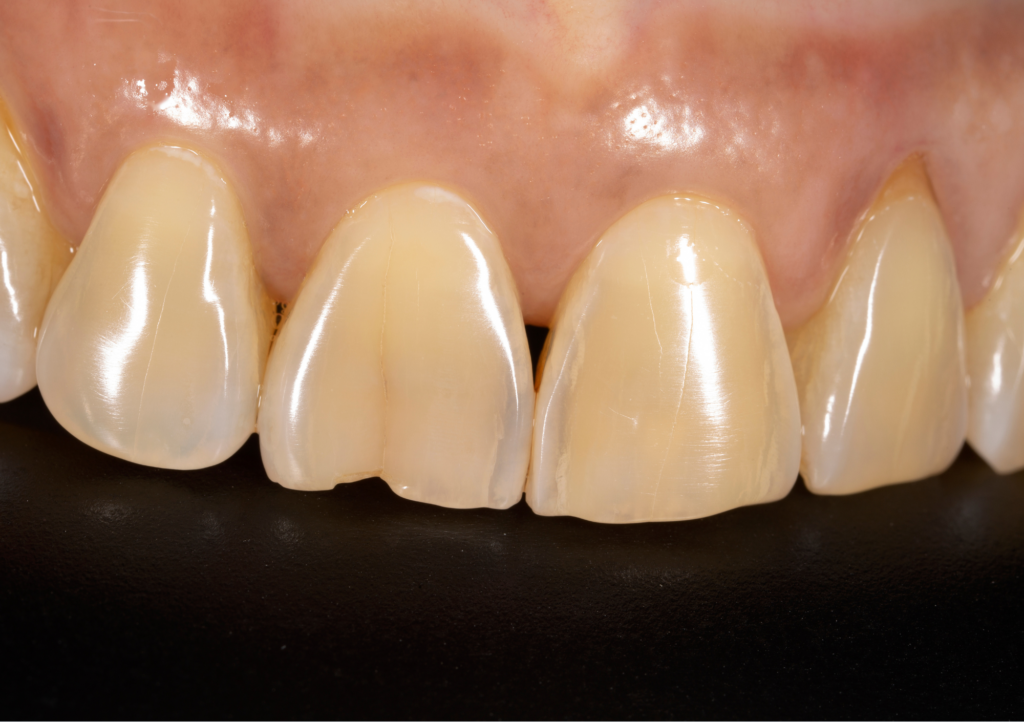
A cracked tooth is a fracture in the hard surface of the tooth. These cracks can range from very fine, harmless lines in the enamel — known as craze lines — to deeper cracks that reach the inner pulp, where the nerve and blood supply live.
When cracks reach deeper layers, patients may experience:
Pain when chewing or biting
Sensitivity to hot, cold, or sweet foods
Swelling around the gums
Bad breath or signs of infection
Without treatment, cracks can allow bacteria to enter the tooth, leading to decay, infection, or even tooth loss.
Types of Cracked Teeth We Commonly See
At Sydney Smile Care, cracked teeth generally fall into one of these categories:
Craze Lines
Tiny surface cracks in the enamel.
✔ Common
✔ Usually painless
✔ Often require no treatment
Cracked Cusp
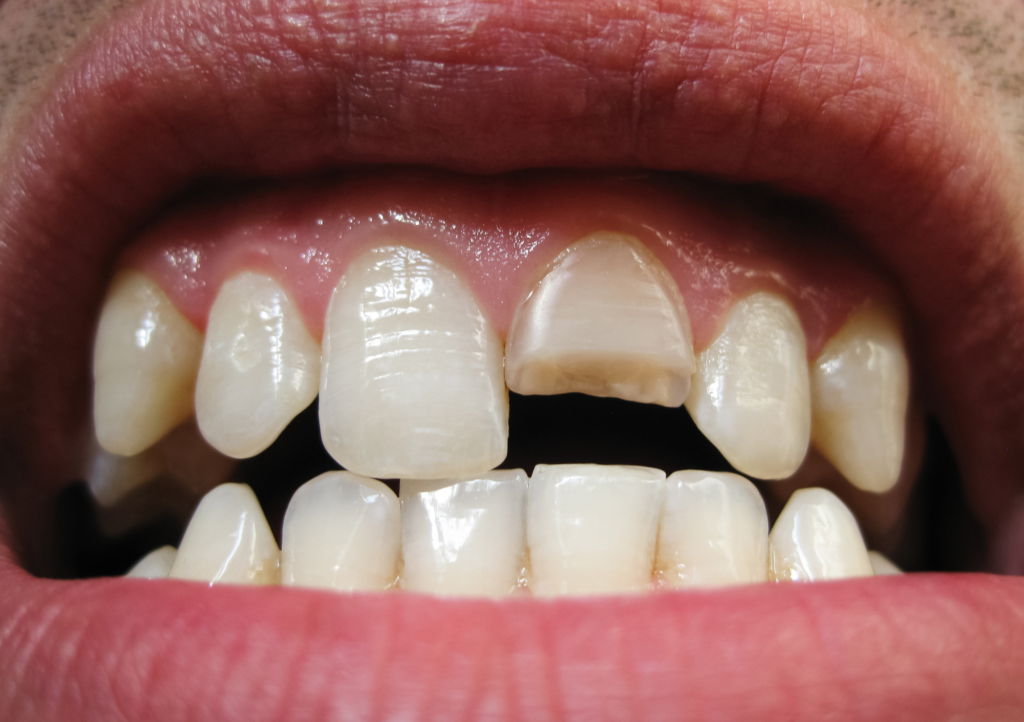
A portion of the chewing surface breaks off, often around an existing filling.
⚠ Can cause sharp pain when biting
Cracked Tooth
A vertical crack that starts from the chewing surface and moves toward the root.
⚠ The tooth isn’t split yet, but the inner pulp can be damaged
Split Tooth
An advanced crack where the tooth separates into sections.
❌ Often cannot be saved
Vertical Root Fracture
Starts below the gum line and travels upward.
⚠ May show minimal symptoms at first but can cause infection
What Causes Teeth to Crack?
Dr Peter:
Cracked teeth are rarely caused by one single factor. Common causes include:
Chewing hard foods like ice, hard candy, or bones
Teeth grinding or clenching (bruxism)
Trauma to the jaw or chin
Large fillings that weaken tooth structure
Sudden temperature changes, such as very hot followed by very cold
As we age, teeth naturally become more brittle, increasing the likelihood of cracks.
Early Warning Signs Patients Often Ignore
Many patients are surprised to learn that cracked teeth don’t always cause constant pain.
Common symptoms include:
Sharp pain when biting or chewing
Pain when releasing pressure after biting
Sensitivity to hot, cold, or sweet foods
Swollen gums or persistent bad breath
Tender glands in the neck (a sign of infection)
Even mild or occasional discomfort should be checked — early diagnosis makes a huge difference.
A Common Case We See at Sydney Smile Care
Dr Peter:
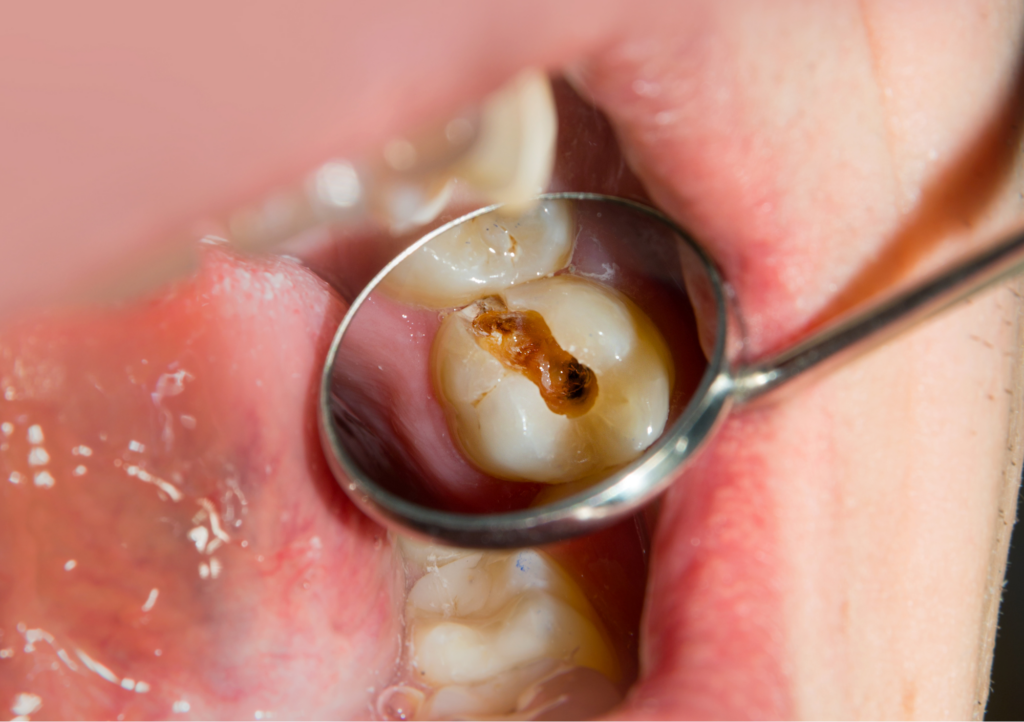
A typical case is a patient with an old filling who experiences slight pain when chewing. Once we remove the filling, we often find a crack extending deep into the tooth.
In many of these cases, the tooth can still be saved — but only if we act early and protect it with a dental crown before it splits further.
Can a Cracked Tooth Heal Naturally?
Unfortunately, no. Teeth cannot heal cracks on their own.
While good oral hygiene, a balanced diet, and stress management can help prevent further damage, they cannot repair an existing crack. That’s why professional dental treatment is essential.
What Should You Do If You Suspect a Cracked Tooth?
✔ See a dentist as soon as possible, even if pain is mild
✔ Avoid chewing on the affected side
✔ Use over-the-counter pain relief if needed
✔ Rinse with warm salt water
✔ Avoid hot, cold, or hard foods
Prompt care can prevent infection and tooth loss.
Treatment Options at Sydney Smile Care
Treatment depends on the severity and location of the crack:
Bonding or fillings – for minor chips or cracked cusps
Crowns – to fully protect and stabilise the tooth
Root canal treatment – if the pulp is infected
Extraction – only when the tooth cannot be saved
Our team always aims to preserve your natural tooth wherever possible.
Dr Peter’s Key Advice for Prevention
“The best protection is consistency,” says Dr Peter.
Avoid chewing hard objects
Wear a night guard if you grind your teeth
Maintain excellent daily oral hygiene
Have your teeth reviewed and cleaned twice a year
Regular dental visits allow us to detect tiny cracks before they become serious problems.
Visit Sydney Smile Care
If you’re experiencing tooth sensitivity, pain when biting, or simply want peace of mind, our friendly team is here to help.
📍 Burwood (Our Most Busy Clinic)
Ground Floor, Suite 2
74–76 Burwood Road
Burwood NSW 2134
📍 Also located in:
Cabramatta | St Leonards | Macarthur Campbelltown | Sydney CBD
📞 Call us on: 9747 1988
Looking forward to hearing from you — and helping you protect your smile.
No responses yet